


AI-Generated Graphics vs. Human-Created Designs: Which Approach Better Supports Visual Communication?
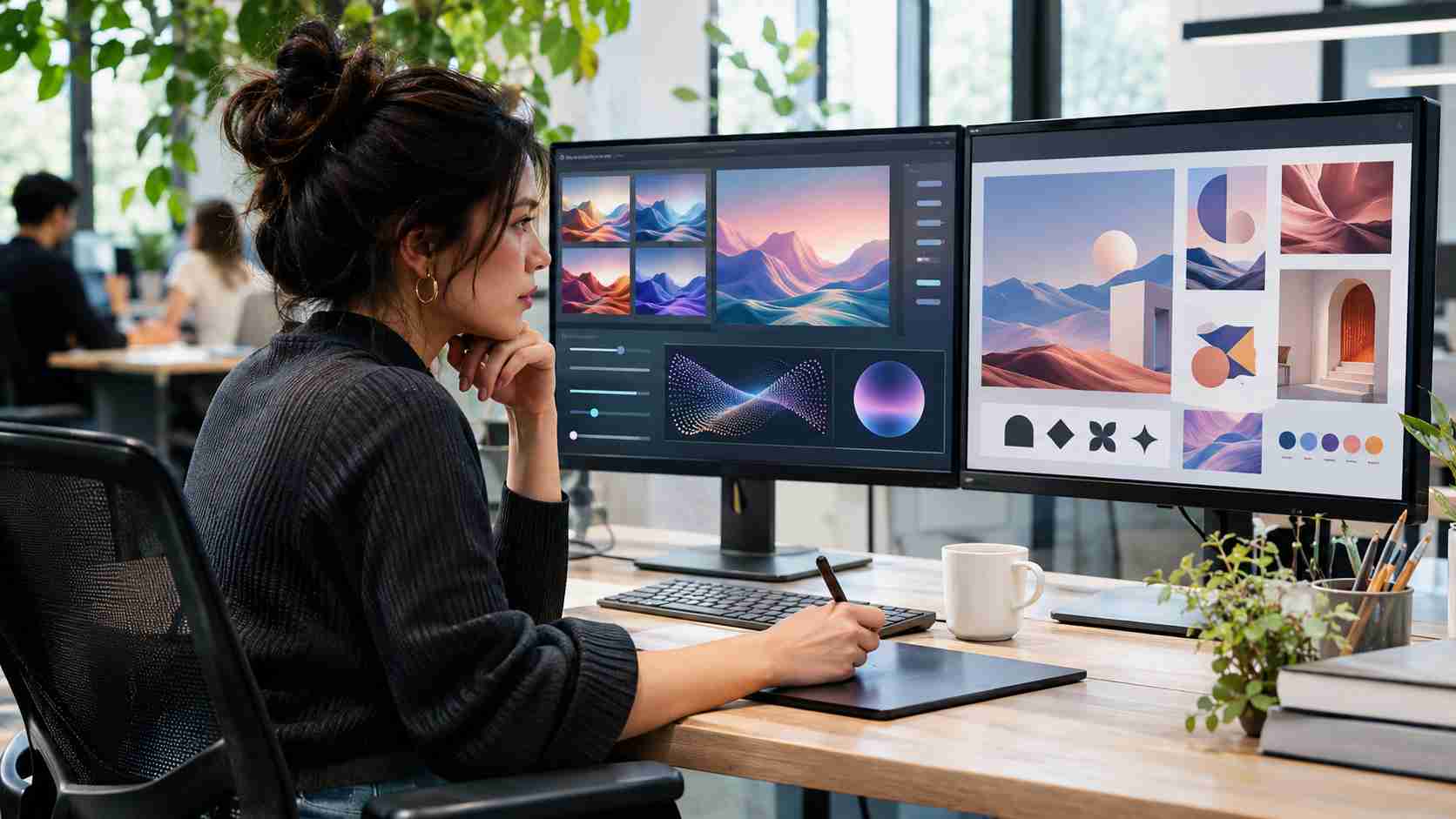
Artificial intelligence is changing how digital graphics are created, edited, and distributed. Generative image tools, automated layouts, and advanced editing software now help businesses produce illustrations, advertisements, infographics, and multimedia content. These technologies make visual production faster and more accessible. However, producing attractive images does not automatically guarantee effective communication.
Businesses, publishers, and content creators must decide whether automated tools can meet their creative and technical requirements. Some organizations combine AI applications with professional services through a graphic design outsource arrangement. This approach provides access to specialized skills while allowing internal teams to manage other responsibilities. The central question is whether AI-generated graphics can consistently match the accuracy, originality, and communication quality of human-created designs.
How Is AI Changing Visual Content Production?
AI-powered design applications can transform written instructions into images, suggest layouts, remove backgrounds, and generate visual [….]






 Every successful brand tells a story that can be seen and heard. A logo, a color palette, or a typeface might grab attention, but the words that follow decide whether people stay or walk away. While many companies invest heavily in design, they often overlook how their brand sounds. Aligning a brand’s visual identity with a consistent verbal voice is no longer optional. It’s what makes a business memorable and trustworthy.

 Companies need more than just solid data—they need visual clarity to make the right decisions. One of the biggest shifts in enterprise technology is the move to SAP s4 hana upgrade and migration, and visual tools are playing a powerful role in making these transitions smoother, smarter, and more user-friendly.


 Instagram has become one of the leading platforms for personal branding, business growth, and creative expression. With billions of active users, standing out is crucial. Advanced visual technology tools like augmented reality (AR) filters and AI-driven image editing reshape how creators and brands captivate audiences. These tools make content more engaging, vibrant, and visually appealing, helping users attract new followers organically.


 Graph visualization is an important part [….]
 The role of likes in Instagram marketing cannot be understated. Likes not only serve as a measure of engagement but also as social proof. When users see a post with a high number of likes, they are more likely to perceive it as valuable and trustworthy. This builds credibility for the brand or business, as it indicates that others have found the post and the content to be relevant and of interest.